top of page

Art & Design Educator
Student Learning
Empowering Students in the Art Room
I strive to create an environment where all learners can feel confidents and demonstrate growth. My curriculum and practice is grounded in culturally responsive teaching that introduces students to contemporary artwork from multicultural backgrounds with a focus on student voice and choice. Typically there is no "right" or "wrong" way to express oneself creatively. When students choose content and materials, my room becomes a space for students who might now feel successful in their Core classes. My Units combine skill building and personal expression within the context of art throughout time periods and cultures.

Examples of student growth:
By using baseline assessments, I am able to see what kind of support each student needs and tailor the curriculum accordingly.
Student A feels embarrassed to even try drawing, which is a typical challenge students face without a foundation in the arts. Right away I know that this student would benefit from step by step tutorials of facial proportions and features. By working on each facial feature independent of the whole, students gain confidence and skill.
Student B has some prior knowledge, but is relying heavily on a schema. They need more advanced tutorials and support to master observational drawing. This student needs practice creating the illusion of form through shading and practice close looking. Student may benefit from trying different portrait drawing techniques, working with more advanced examples and practicing facial features independent of the whole.
Student C has prior knowledge and experience practicing art, but is using a Manga style approach rather than a true observational drawing. This student will benefit from an advanced tutorial of the bone and muscular structures of the face.
Baseline Self Portrait


Self Portrait after Targerted Instruction


Mastery of Skills
Using the NYC Blueprint for the Arts and the International Bacculaurate framework, my curriculum introduces students to a variety of materials and techniques. Through practice and projects, students have the opportunity to master skills such as painting, drawing, collage, sculpture, and printmaking.
Students build visual arts vocabulary, knowledge of art movements and artists, and analyze art from different movements to help them reflect on their own process. Typical themes include portraiture and still life study. In my painting unit, 15 Minutes of Fame, students choose an artist or art movement to use as inspiration for their acrylic painting. This makes the project more accessible and promotes student choice and buy in.
Skill Building

Student A has some prior knowledge, but lacks self confidence. This is a very typical challenge that effects both students with and without prior knowledge and experience. It is often compounded by age and emotions associated with adolescence. These students need positive reinforcement, chunked steps, choice, and support in choosing an artist/art movement that would compliment their skill set.
Student B has a strong foundation in art, but experienced an interrupted education in between grades and is an English langue learner. This project was an opportunity for growth through inquiry and creative expression. This student benefits from introduction to contemporary works of art for inspiration.
Student C has mastered many foundational skills and is looking to be challenged. This student is eager for achievements in art and takes classes outside of school. This student is building a portfolio for specialized high school admission. This student benefits from guidance of more challenging techniques and multiple reflections and revisions to push themselves as an artist.


Materials and Methods
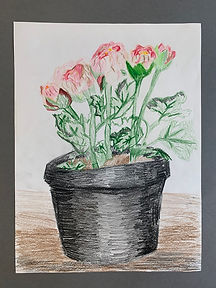
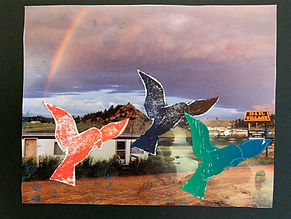
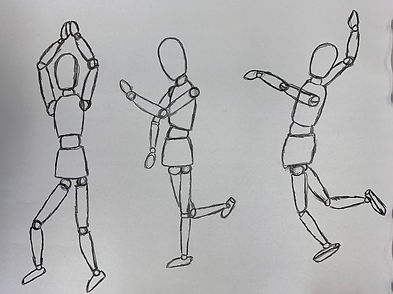
The vertical arts curriculum builds on exposure of materials and methods. Below are examples from my classroom of what students are able to achieve when they are given the freedom of choice as well as a wide variety of models from which to be inspired. Notice the variety of different interpretations students had with each medium!

Color Pencil Observaional Drawings



Printmaking



Portrait Study

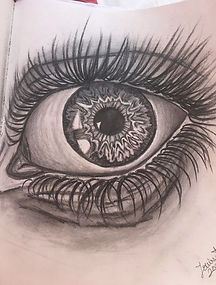


Pencil Techniques


Painting


Figure Drawing


bottom of page